Monday, September 2, 2019
Radical Regenerative Gardening and Farming: Horticulture Therapy
Radical Regenerative Gardening and Farming: Horticulture Therapy: I have done a few gardens over the decades for the disable community. This summer I was involved with the roof top garden for disabled vete...

Sunday, September 1, 2019
Horticulture Therapy
I have done a few gardens over the decades for the disable community. This summer I was involved with the roof top garden for disabled veterans at the VA Center in Decatur, GA. I also worked at Enable for adults with developmental disabilities and Christian City in Union City.
 The concept of horticulture therapy is: to heal the land and let it heals us. This applies to all land use, farming gardening, etc. Connecting with the soil is a way of connecting with a part of ourselves, where we come from and where we are going back to. Nature enhances our lives. Working in a garden you find your place in nature. It is centering and allows us to put our life in perspective. While in this relaxed state I can get people to talk and share about their wonderful life or not so wonderful. As they open up they become full of the life around them. plants communicate with us on subtle levels. There is also a feeling of accomplishment when people see things grow that they planted. A garden simplifies our life. The cycle's of nature in the garden operate at a slower rhythm yet on a continuum of life. It offers insight on how the world operates in balance.
 At the VA center in Decatur, GA I worked with a quadruple amputee, Von Heinze, a Viet Nam vet. I thought, if he can garden anybody can. This is a rooftop garden of containers. Enable is a day center for adults that are developmentally disabled in Red Oak, GA. These are not productive gardens, nor are they focused on aesthetics. These are fun gardens. It is important to remember, that if you grow for food or you grow for your lively hood, are you having fun? This reminds me that when I am out driving around in urban cities I feel very disconnected from everything. When I am working in the garden I am in a centered, more sane environment that makes more sense to me. I also spent time at a community garden at Christian City in Union City, GA. This is a retirement community. They have boxes off the ground for wheel chair access.
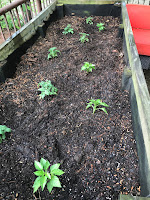 With ambulatory people we dig a bed in the ground. I do not need lumber for boxes on the ground. I also do not buy soil, compost or plastic. The role being a gardener is that of a producer not a consumer. The boxes in the barrier free gardens are of recycled materials. The compost comes from my farm or I use very old rotted manure from a horse stable for soil. It is difficult to get people to think outside the box. I either contribute my seeds or get seed donations. The mind set of being a consumer in all our activities runs deep. Regenerating a piece of land offers many rewards that are described in my book, Radical Regenerative Gardening and Farming. Sharing this fits into the concept of; the gift is in the giving. Thanks to these groups for allowing me to contribute to their programs.

 Below is John watering the beds he helped plant.
The concept of horticulture therapy is: to heal the land and let it heals us. This applies to all land use, farming gardening, etc. Connecting with the soil is a way of connecting with a part of ourselves, where we come from and where we are going back to. Nature enhances our lives. Working in a garden you find your place in nature. It is centering and allows us to put our life in perspective. While in this relaxed state I can get people to talk and share about their wonderful life or not so wonderful. As they open up they become full of the life around them. plants communicate with us on subtle levels. There is also a feeling of accomplishment when people see things grow that they planted. A garden simplifies our life. The cycle's of nature in the garden operate at a slower rhythm yet on a continuum of life. It offers insight on how the world operates in balance.At the VA center in Decatur, GA I worked with a quadruple amputee, Von Heinze, a Viet Nam vet. I thought, if he can garden anybody can. This is a rooftop garden of containers. Enable is a day center for adults that are developmentally disabled in Red Oak, GA. These are not productive gardens, nor are they focused on aesthetics. These are fun gardens. It is important to remember, that if you grow for food or you grow for your lively hood, are you having fun? This reminds me that when I am out driving around in urban cities I feel very disconnected from everything. When I am working in the garden I am in a centered, more sane environment that makes more sense to me. I also spent time at a community garden at Christian City in Union City, GA. This is a retirement community. They have boxes off the ground for wheel chair access. With ambulatory people we dig a bed in the ground. I do not need lumber for boxes on the ground. I also do not buy soil, compost or plastic. The role being a gardener is that of a producer not a consumer. The boxes in the barrier free gardens are of recycled materials. The compost comes from my farm or I use very old rotted manure from a horse stable for soil. It is difficult to get people to think outside the box. I either contribute my seeds or get seed donations. The mind set of being a consumer in all our activities runs deep. Regenerating a piece of land offers many rewards that are described in my book, Radical Regenerative Gardening and Farming. Sharing this fits into the concept of; the gift is in the giving. Thanks to these groups for allowing me to contribute to their programs.Below is John watering the beds he helped plant. Saturday, March 23, 2019
Weeds as indicators of your soil and other uses.
Weeds are a problem for many gardeners and farmers. In this blog I wish to examine how to view weeds differently. All weeds are plants that we have not found a use for. Weeds can be used as indicators of the soil's mineral composition. The ideal way to find out about your soil is through a soil test. Your local cooperative extension service provides this service for a nominal fee. It will provide information on macro nutrients and the PH. Plants can also be useful to look at. Here are a few examples; Fertile soils or soils previously cultivated attract plants like, Chick weed, henbit. lambsquarters, stinging nettle, clover, wild vetch. Poor or deficient soils attract, mullein, wild parsley, wild radish, mugwort, common daisies, wild or dog fennel.. Higher nitrogen soil plants are clover, stinging nettles, black medic, chickory. Phosphorous indicators; purslane, mustard, stinging nettles, poke salad. Calcium indicators; lambsquarters. low in calcium indicators are burdock, dandelion, dock, Johnson grass, pigweed, sorrel. (this can also be an indication or acid soil. Alkaline soil indicators are, scarlet pimpernil, bladder campion, sage brush, goosefoot (chenopodium). Cornflowers or batchelor buttons can indicate acid or alkaline soils by their color. blue flowers indicates alkaline and red indicates acid soils, this also applies to hydrangeas. Bad drainage plants are, dock, horsetail, ox eyed daisy, golden rod, hemlock, Joe Pye weed,. butter cups, mosses and violets. This is not a true science and you may find many exceptions Weed seed sometimes just blow onto your land. Look for consistent patterns of weed populations. This is not as accurate as a laboratory test.
There are several plants that are Dynamic Accumulators. These are plants with a high a composition of minerals. Nitrogen - Alfalfa, vetch, lupines and most legumes. Potassium - Comfrey, stinging nettle, dandelion.and yarrow. Calcium - Buckwheat, lambsquarters, chamomile, stinging nettle. Phosphorous - Buckwheat, valerian, Sonchus Sowthistle (pictured below has high amounts of Calcium, magnesium, iron, phosphorous, potassium and zinc. These are very good plants to put into your compost pile. As they break down they release these minerals. Weeds are the guardians of the soil. They are the scar tissue that protects and heals damaged land. If you do not use the land efficiently they will. You can learn a lot about keeping the land covered from them. They preserve the land until you are ready to use it well. They also house and protect the dynamic life that exists at the surface of the soil. To destroy them is to destroy the life giving properties they provide for your field or garden. It is not a good idea to take out all the cover and leave the soil exposed to the elements. Of course there are undesirable weeds. My least favorites are: pig weed (amaranthus palmeri), bind weed (wild morning glory), bermuda grass. There are many plants that can be used to choke them out. Keeping beds full and using a living mulch covers the bed and so it does not provide space for these plants. The use of weeds or wild plants as companions is covered in my book, Radical Regenerative Gardening and Farming.

Tuesday, February 12, 2019
Radical Regenerative Gardening and Farming: Pruning Fruit Trees The primary pruning of fruit...
Radical Regenerative Gardening and Farming: Pruning Fruit Trees
The primary pruning of fruit...: Pruning Fruit Trees The primary pruning of fruit trees is an annual event. In my region it takes place in early Feb. while trees are stil...
The primary pruning of fruit...: Pruning Fruit Trees The primary pruning of fruit trees is an annual event. In my region it takes place in early Feb. while trees are stil...
Pruning Fruit Trees
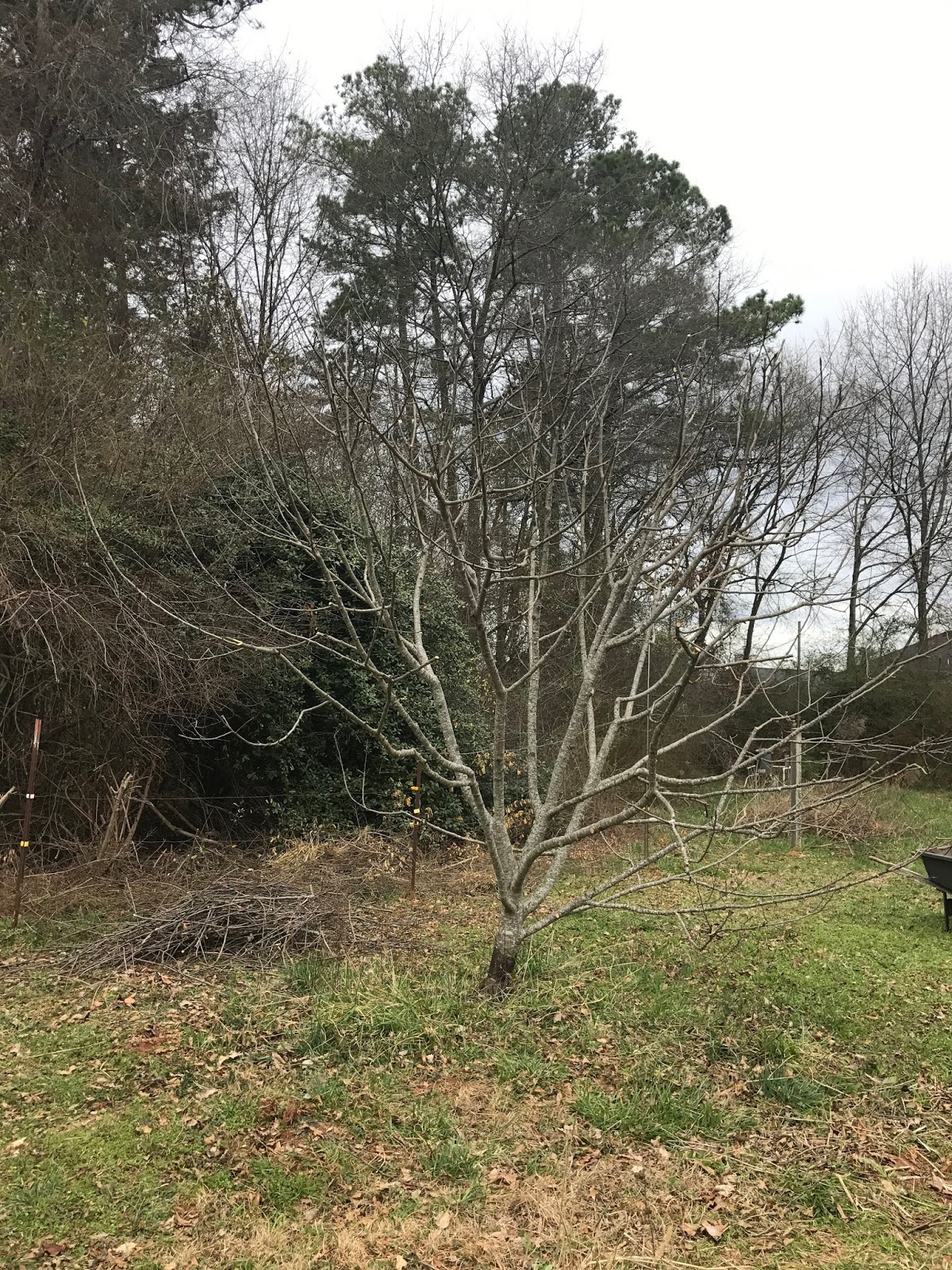
The primary pruning of fruit trees is an annual event. In my region it takes place in early Feb. while trees are still dormant when the threat of heavy frost is over. This is also when it is time to prune roses and shrubs. This is an opportunity to control the shape of the tree. It also helps you open the tree up so to discourage pests and disease. Taking extra care of your trees and they will reward you with a plentiful amount of fruit later in the year. If you are cutting out disease make sure to disinfect your tools with an alcohol wipe especially before moving on to the next tree. Step back periodically to view the shape before deciding what needs to be taken out. Over lapping branches are important to remove. Strive for a shape to encourage healthy growth and accessibility when picking fruit. Look for insects hibernating in split bark.and diseases to be cut out. Sanitation is an important part of fruit tree maintenance. So raking out rotted fruit and leaves is part of the maintenance. If tree have diseases, like fire blight, use diluted bleach on tools between cuts. I also posted a blog on 7/15 on fruit tree care. That blog covers taking care of fruit trees during the growing season. Trees are an important part of any farm or garden. They add dimension. In my design, I use them to establish a perimeter around the main garden. Below are photos of before and after of pruning an apple tree.


The primary pruning of fruit trees is an annual event. In my region it takes place in early Feb. while trees are still dormant when the threat of heavy frost is over. This is also when it is time to prune roses and shrubs. This is an opportunity to control the shape of the tree. It also helps you open the tree up so to discourage pests and disease. Taking extra care of your trees and they will reward you with a plentiful amount of fruit later in the year. If you are cutting out disease make sure to disinfect your tools with an alcohol wipe especially before moving on to the next tree. Step back periodically to view the shape before deciding what needs to be taken out. Over lapping branches are important to remove. Strive for a shape to encourage healthy growth and accessibility when picking fruit. Look for insects hibernating in split bark.and diseases to be cut out. Sanitation is an important part of fruit tree maintenance. So raking out rotted fruit and leaves is part of the maintenance. If tree have diseases, like fire blight, use diluted bleach on tools between cuts. I also posted a blog on 7/15 on fruit tree care. That blog covers taking care of fruit trees during the growing season. Trees are an important part of any farm or garden. They add dimension. In my design, I use them to establish a perimeter around the main garden. Below are photos of before and after of pruning an apple tree.
Wednesday, January 23, 2019
Putting Ecology into Agroecology (part 3)
This is the third part of my three part blog on putting ecology into agroecology. If you have done an assessment of your surrounding environment, (this is explained int the first part of this blog) then you have an idea of how to design the land in order to work with your environment. Design is an ongoing learning process. Doing it intelligently gives you better tools to work with. One of the main principles of regenerative gardening and farming is to always put back more than you take out. Leave that land in better shape than how you found it. Part of the motivation for doing this writing is that I visit many farms and see people destroying the land in order to learn farming. It is like reinventing the wheel and we did a lot of that in the 1970's. Although we never stop learning, moving forward is a positive direction to go in.
Planting in an integrated system allows you to take the examples given to you by nature and emulate them into your growing area. The principles of Permaculture and French Intensive overlap a lot to achieve the same results. Some of these ideas involve: Polyculture, interplanting in a way that uses symbiotic relationships. Niche plantings that encourage micro environments and favorable habitats. The use of IPM to attract beneficial insects for a variety of purposes. Nutrient cycling maintains the flow of life in the soil. Using the 5 components of companion planting has many uses. With all this keep in mind, that diversity ensures balance and resilience and compatibility is the key to confluence. Develop a perennial base. If you do this with fruit trees, it implies a long term commitment to the land. Establishing edible hedgerows can divide a field into separate environments. Examples of hedgerow plants for my area are, currants (gooseberry), blackberry, service berry, lingon berry, bay tree, camellia sensensis, pineapple guava, aronia berry, secondary, rosa rugosa, elderberry. This can serve as a way to redirect the flow of wind and water. .Nature works in cycles. Allow the cycles to be complete. Fertility is never in a complete state. It is an ongoing process. Being a good steward of the land means being a facilitator of these cycles. When the overall health is disrupted you will know it. Insect and disease problems are indicators of an imbalance. Planting a perimeter of trees around a piece of land helps to preserve the environment. This also creates corridors for birds and other life forms. In larger plantings of tall trees it can attract rain and create moisture reserves. Design is also an expression of your love for the land. Protect it and it protects you, heal it and it heals you. Become part of it and it becomes part of you. There are many more ideas in my book, Radical Regenerative Gardening and Farming.
Saturday, January 12, 2019
Putting Ecology into Agroecology Part 2
This is the second part of three parts on putting ecology into agroecology. In this part I want to examine land and habitat restoration. It is an important part of regenerating land. This is partially done by monitoring the ecosystem covered in the last blog. It also involves introducing plants that heal the land. Developing land in such a way to emulate nature means several things, using native plants, doing this in stages and designing areas to create a balanced diversity. The list below is for creating healthy habitats. Restoring land is an art and a science. It can also be a spiritual work. Healing land can heal one's soul. It connects us with the land.
Plants that restore land: In general, Sonchus oleraceus (sow thistle), lupines, alfalfa, clovers, comfrey, dandelion, yarrow. The plant list below is for creating healthy habitats.
Praries plants: Amorpha canescens ( lead plant), Baptisia alba (wild white indigo), white prairie clover, Lespediza, Heal all (pruella vulgaris), Lomatium and self heal.
Southeast: plants: Alfalfa or Lucern, oats, white clover, rye grass, hairy vetch, yarrow, big blue stem grass, gamma grass, asclepias. self heal, plantain.
Northwest plants: Red alder tree, yarrow, holodiscus discolor (ocean spray shrub), parnassia fimbriata, oat grass, Queen Anne's lace, bed straw, owl clover, Seablush, balsam, balsam root, lupine, Oregon sunrise, douglas aster.
Southwest plants: Rice grass, Feather grass, blue gamma grass, James galleta, globe mallow, alsclepias, fleabane, bluebell flower, lomatium, wild sage.
Plants that remediate soil: Indian mustard, pelargoniums, sunflowers, sea pink thrifts, red clover, wild lettuce, gomphrena, claussenii, chick peas, birdsfoot trefoil, chinese cabbage, canna lily, salix, willow.
Plants that remediate water: Water lily (nymphea alba), phragmites australias (common reed), sparganium erectum (yellow flag iris), schoenoplectus lacustris (club rush or bull rush), duck week, cress, stratiotes alvides (water soldier), hytocharis horsus-remae (european frogbit), ealamus (sweet flag reed).
Plants that attract beneficial insects: Yarrow, Umbellifers (dill, queen Anne's lace, ammi majus, caraway, parsley, fennel, cilantro), allysum, sunflower, clover, tansy, golden rod, borage, digitalis, chamomile, coreopsis, cosmos, verbascum, forsythia, amaranth, shasta daisy, vetch, chervil, spirea, aster, lavender, forsythia and tall grass for spiders.
2.
Plants that restore land: In general, Sonchus oleraceus (sow thistle), lupines, alfalfa, clovers, comfrey, dandelion, yarrow. The plant list below is for creating healthy habitats.
Praries plants: Amorpha canescens ( lead plant), Baptisia alba (wild white indigo), white prairie clover, Lespediza, Heal all (pruella vulgaris), Lomatium and self heal.
Southeast: plants: Alfalfa or Lucern, oats, white clover, rye grass, hairy vetch, yarrow, big blue stem grass, gamma grass, asclepias. self heal, plantain.
Northwest plants: Red alder tree, yarrow, holodiscus discolor (ocean spray shrub), parnassia fimbriata, oat grass, Queen Anne's lace, bed straw, owl clover, Seablush, balsam, balsam root, lupine, Oregon sunrise, douglas aster.
Southwest plants: Rice grass, Feather grass, blue gamma grass, James galleta, globe mallow, alsclepias, fleabane, bluebell flower, lomatium, wild sage.
Plants that remediate soil: Indian mustard, pelargoniums, sunflowers, sea pink thrifts, red clover, wild lettuce, gomphrena, claussenii, chick peas, birdsfoot trefoil, chinese cabbage, canna lily, salix, willow.
Plants that remediate water: Water lily (nymphea alba), phragmites australias (common reed), sparganium erectum (yellow flag iris), schoenoplectus lacustris (club rush or bull rush), duck week, cress, stratiotes alvides (water soldier), hytocharis horsus-remae (european frogbit), ealamus (sweet flag reed).
2.
Subscribe to:
Posts (Atom)